The current position: Home > Latest News > What are the differences between oriented internal stress and cooling internal stress? >

There are many causes for the generation of internal stress. For example, strong shear action exerted on the plastic melt during processing, orientation and crystallization occurring in the processing process, the extreme difficulty in achieving uniform cooling rate across different parts of the melt, uneven plasticization of the melt, difficult demolding of products, etc., all can lead to the generation of internal stress. According to the different causes of internal stress, it can be divided into the following categories.
### Oriented Internal Stress
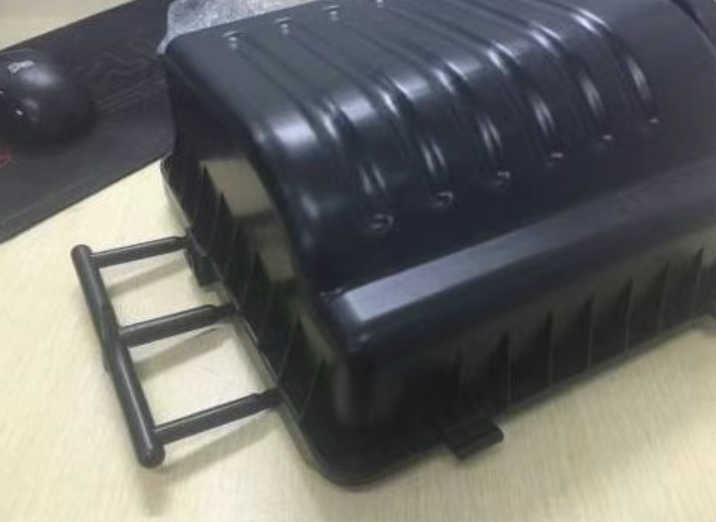
Oriented internal stress is a type of internal stress generated by the freezing of the oriented conformation of macromolecular chains arranged along the flow direction during the flow filling and pressure-holding replenishment stages of plastic melt.
The specific generation process of oriented stress is as follows: *The melt near the runner wall experiences a rapid cooling rate, which increases the viscosity of the outer-layer melt. Consequently, the flow velocity of the melt in the central layer of the mold cavity is much higher than that in the surface layer, resulting in shear stress between different layers inside the melt and thus inducing orientation along the flow direction.*
Source: Micro Injection Molding
Disclaimer: The content is sourced from publicly available information on the Internet. The purpose of reprinting is to disseminate, share and facilitate communication. It neither implies endorsement of the views nor verification of the authenticity of the content, nor does it constitute any form of advice. The content is provided solely for sharing and communication purposes, and we assume no responsibility for its copyright. All copyrights belong to the original authors and original sources. In case of copyright infringement, please contact us for prompt modification or removal.

TEL: :+86-21-52270816 FAX:+86-21-52270819 E-mail:jihua@jihuaexpo.com
property in copyright:JiHua Exhibition Services (Shanghai) Co., Ltd沪ICP备17005392号-4